LNG · Natural gas processing
Cryogenic equipment for LNG and natural gas processing
IGS supports equipment and project enquiries across the natural gas value chain, from feed-gas processing and purification to liquefaction, product recovery and vaporisation. The starting point is the gas composition, product requirement and operating context.
Define the stream
Turn a gas composition into a workable project scope
Natural gas projects are shaped by what enters the plant, what must leave it and what the process must remove or recover along the way. Feed composition, contaminants, pressure, throughput, product specification, utilities, ambient conditions and operating philosophy all influence the equipment route.
IGS helps organise those inputs into a defined enquiry for technical and commercial review.
From feed gas to LNG
Condition the stream. Define what to recover.
Natural gas treatment and liquefaction work as one connected process. Feed analysis determines which pretreatment steps are needed and whether liquids, helium or other co-products should form part of the project.
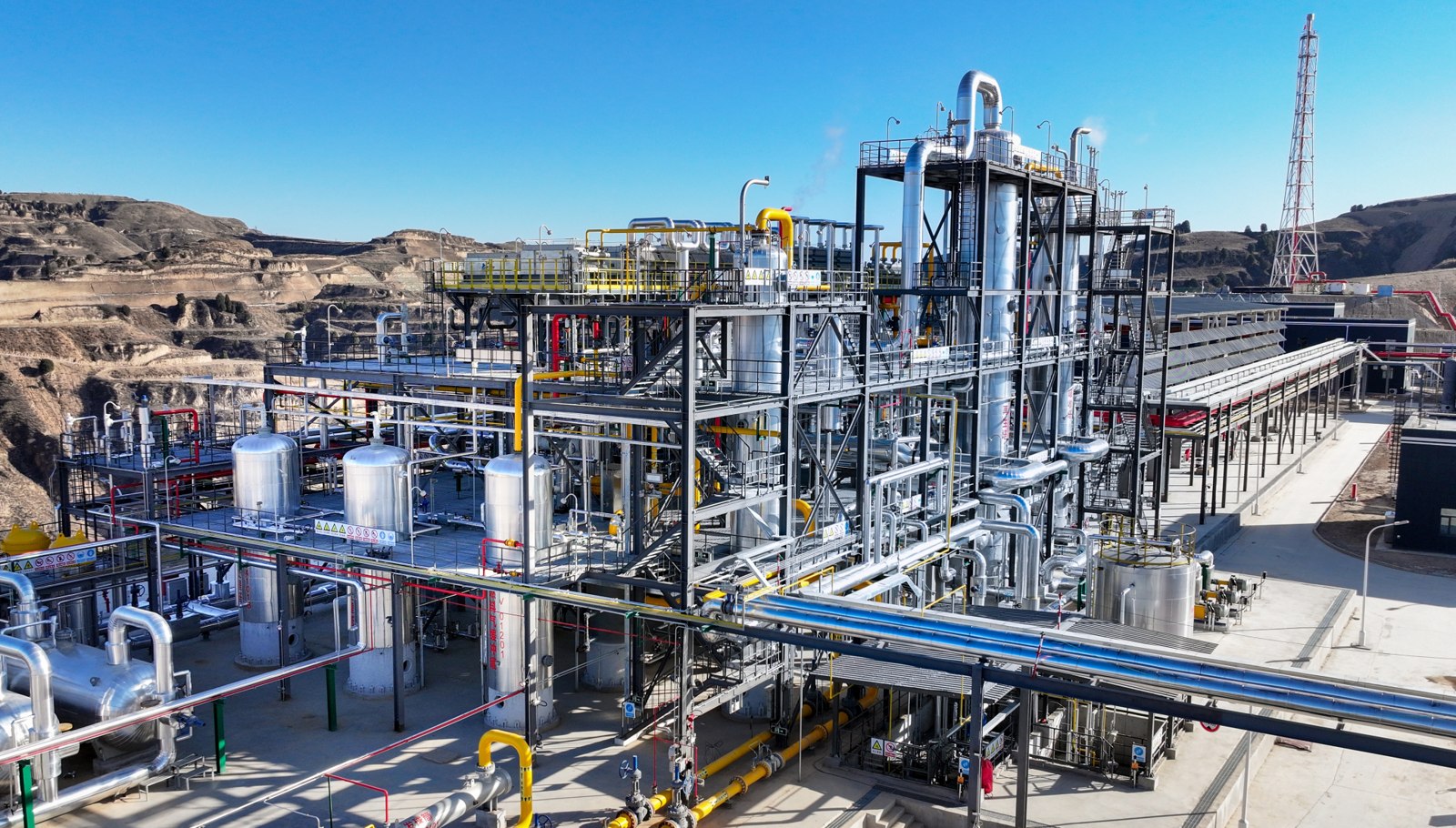
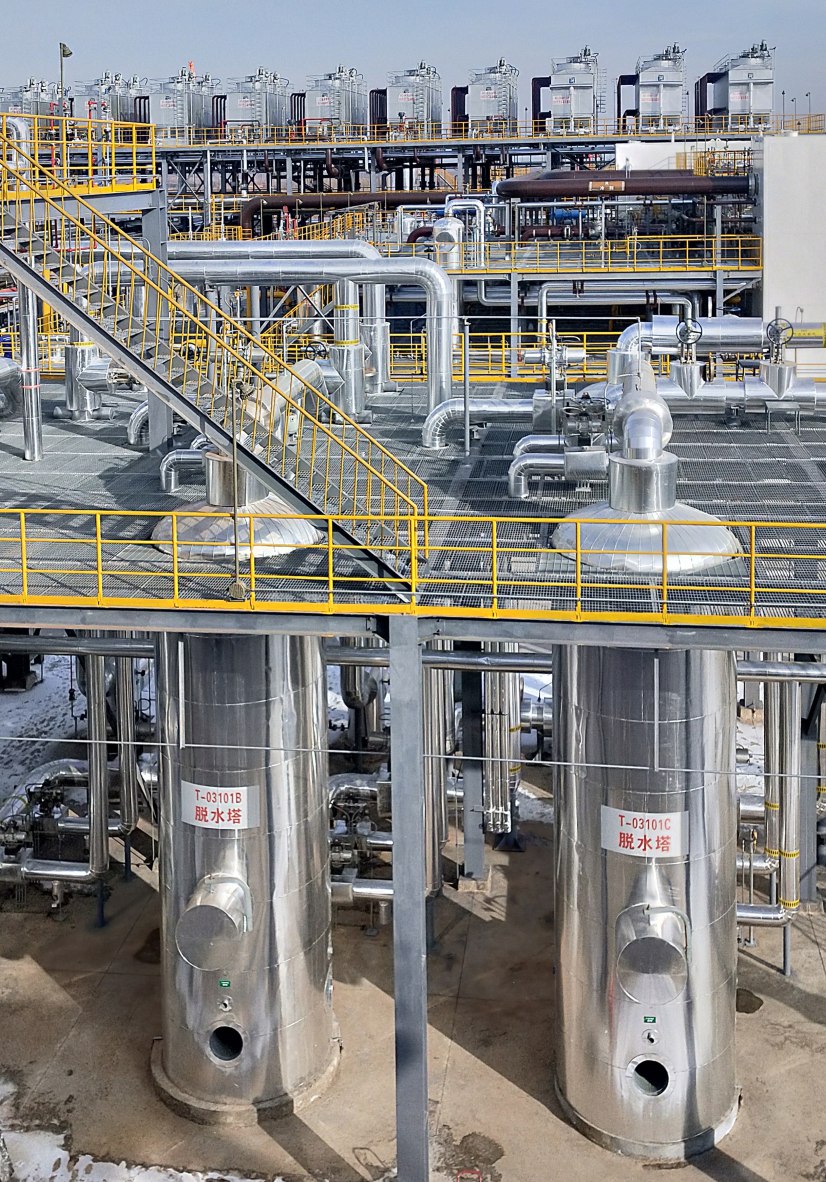
Prepare the feed
Dehydration, acid-gas removal and heavy-hydrocarbon removal are assessed against the actual contaminant profile and downstream process limits.
Recover useful products
Natural gas liquids recovery, oil–gas separation and helium recovery are considered where composition and recovery objectives justify them.
Choose the plant arrangement
Skid-mounted, permanent and floating LNG concepts have different space, modularisation and interface requirements. Define the project setting early.
Equipment reference imagery from technical literature. Configuration and supply scope are defined for each project.
Discuss your LNG requirementTypical requirements
Across the natural gas value chain
Natural gas liquefaction and LNG plants
Liquefaction duties defined around capacity, feed conditions, product specification, refrigerant scheme and project basis.
Gas processing plants
Cryogenic and associated equipment for separation, conditioning, liquids recovery and product preparation.
Nitrogen rejection
Requirements where feed composition, product quality and recovery objectives support a cryogenic separation route.
Natural gas helium extraction
Recovery and purification based on feed concentration, flow, product purity and recovery target.
Purification and pretreatment
Gas conditioning that prepares the stream for low-temperature processing around the contaminant profile.
LNG vaporisation
Vaporisation and downstream handling based on throughput, pressure, utilities, site conditions and interfaces.
Project basis
The feed, product and operating case must align
Feed composition
Complete composition and contaminant analysis define the starting point.
Product requirement
Specification, state, recovery target and downstream duty shape the process route.
Operating philosophy
Turndown, redundancy, availability and site utilities affect equipment selection.
European delivery
Codes, hazardous-area basis, client standards and delivery interfaces are defined early.
Information for review
Information that improves the first review
Early-stage projects can begin with the best available assumptions, clearly marked for confirmation.
- Full available feed-gas composition and contaminant analysis.
- Feed pressure, temperature and normal/design flow cases.
- Required product specification, recovery target and product state.
- Site ambient conditions, utilities and plot constraints.
- Operating profile, turndown, redundancy and availability expectations.
- Required codes, hazardous-area basis and client standards.
- Project location, stage, target programme and contracting route.
Start with the stream data
Frame the gas-processing requirement.
Upload a gas analysis, process basis, PFD, data sheet or tender package. Early-stage projects can begin with the best available feed and product assumptions.